Tips: about dielectric mirrors
Positive Optics Team
3/16/20262 min read
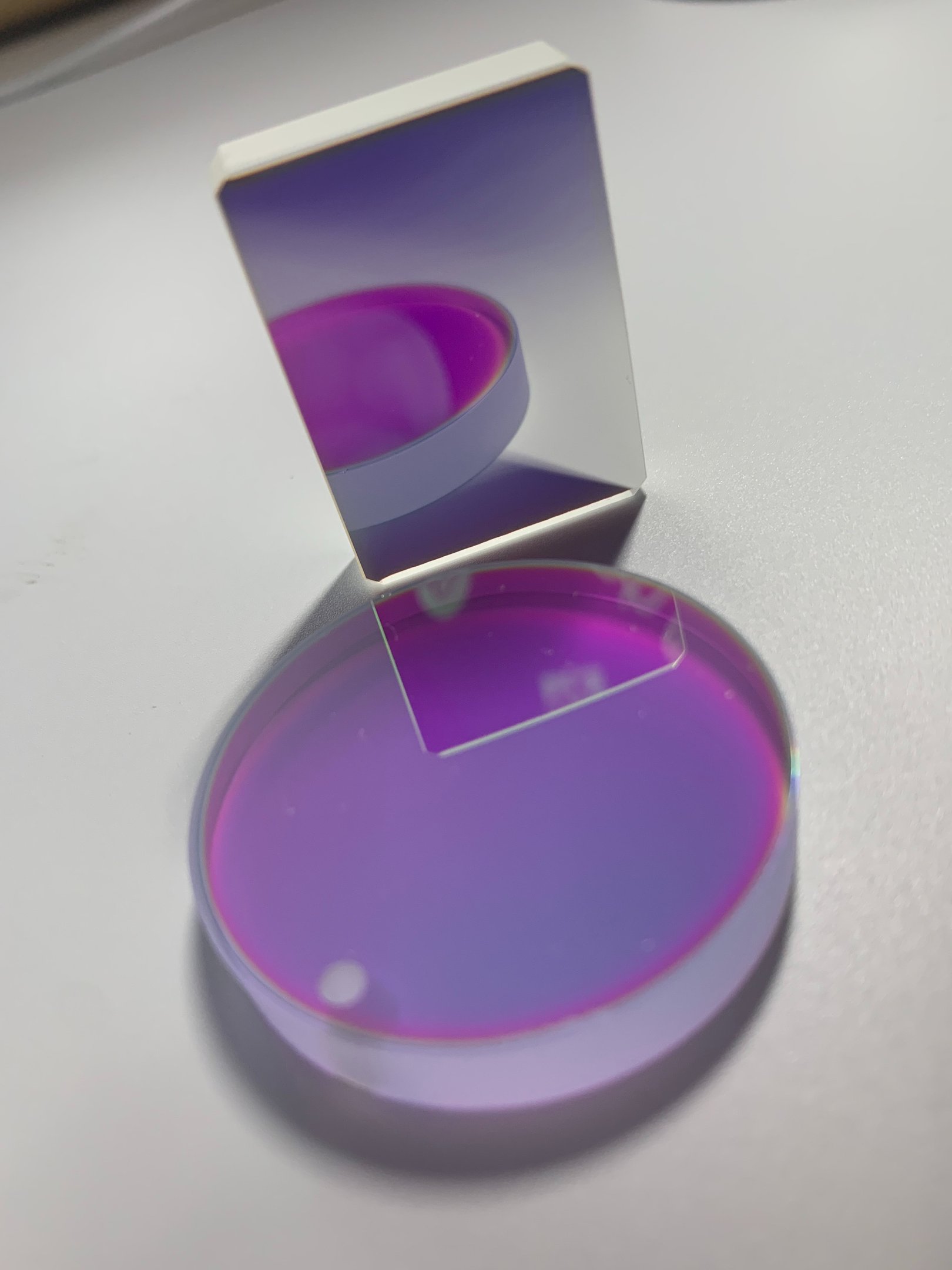
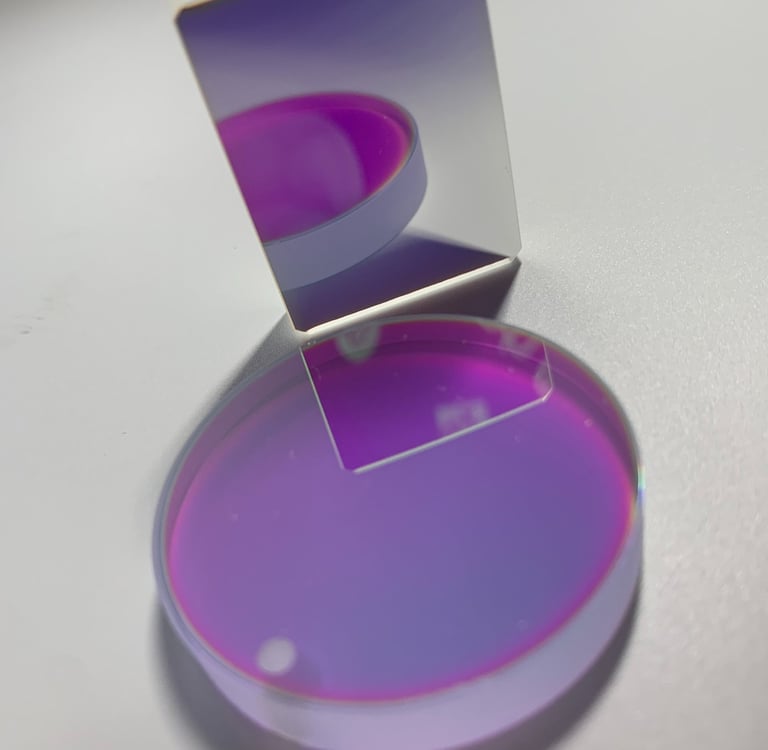
Introduction to Dielectric Mirrors
Dielectric mirrors, also known as Bragg mirrors, are essential components in optical systems, particularly in laser technology. These mirrors are designed to reflect specific wavelengths of light with high efficiency, making them integral in various applications ranging from telecommunications to laser amplification. However, it's crucial to understand that each dielectric mirror is finely tuned for a particular range of wavelengths. Using them outside their specified operational range can lead to significant performance degradation.
The Importance of Wavelength Specificity
Every dielectric mirror is optimized for a designated wavelength, which enhances its reflective properties. For instance, if a dielectric mirror is designed to reflect light at 532 nanometers, it performs exceptionally well at that wavelength, achieving high reflectivity and minimal losses. However, when exposed to wavelengths significantly different from this, the mirror's performance can drastically diminish. This behavior is primarily because the dielectric layers within the mirror are constructed to interact optimally only with certain light frequencies. Hence, it is imperative for users to select dielectric mirrors that match their laser's operational wavelengths accurately.
Choosing the Right Dielectric Mirror for Your Laser System
Selecting the appropriate dielectric mirror is vital for ensuring the efficacy of your laser systems. When choosing a dielectric mirror, consider the following factors:
Wavelength Compatibility: Verify that the mirror's specified wavelength range aligns with your laser system's output. An ill-fitted mirror can cause reflections that may lead to energy loss or undesired thermal effects.
Laser Type and Power: Assess the laser type you are working with and its output power. Higher power lasers may require mirrors with higher damage thresholds to maintain performance and reliability.
Coating and Surface Quality: Inspect the mirror's coatings for durability and optical quality. High-quality coatings will provide better performance, especially in high-energy applications.
Making informed decisions is crucial not just for maximizing performance, but also for extending the lifespan of your equipment. For professionals in optics and laser technology, understanding the specific use of dielectric mirrors and their wavelength dependence can mean the difference between a successful application and failure.
Conclusion
In conclusion, dielectric mirrors serve as cornerstone elements in laser systems. Their wavelength-specific nature dictates their performance and effectiveness in various applications. By choosing mirrors that are finely tuned to the required wavelengths, users can ensure optimal performance and sustainability of their laser installations. Ultimately, a thorough understanding of these components will facilitate better choices in system design, leading to enhanced outcomes in laser applications.
Changchun Positive Optics customize all kinds of HR dielectric mirrors. Welcome your inquiry to info@pooptics.com