
Understanding the Differences Between Metal and Dielectric Mirrors
Positive Optics Team
3/30/20262 min read
Introduction to Mirrors in Optics
Mirrors play a crucial role in various optical applications, and their effectiveness depends significantly on their coating materials. Two predominant types of mirrors are metallic and dielectric mirrors, each serving different needs and offering distinct advantages. Understanding the differences between these two types can help in selecting the right mirror for specific applications.
Metallic Mirrors: Characteristics and Applications
Metallic mirrors typically feature a thin layer of metal, such as aluminum or silver, over a substrate. One of the primary advantages of metallic coatings is their broad wavelength coverage, making them suitable for use in a variety of optical systems. Metallic mirrors reflect light efficiently across a wide range of wavelengths, from ultraviolet through visible and into infrared regions.
However, while they provide substantial reflectivity, metallic mirrors often suffer from higher absorption rates, leading to energy loss in the reflected light. This characteristic can limit their effectiveness in high-power laser applications, where minimizing absorption is critical. As a result, metallic mirrors are frequently used in applications such as lighting, automotive, and general imaging systems where broad wavelength coverage is a priority.
Dielectric Mirrors: The Ultra-High Reflectivity Option
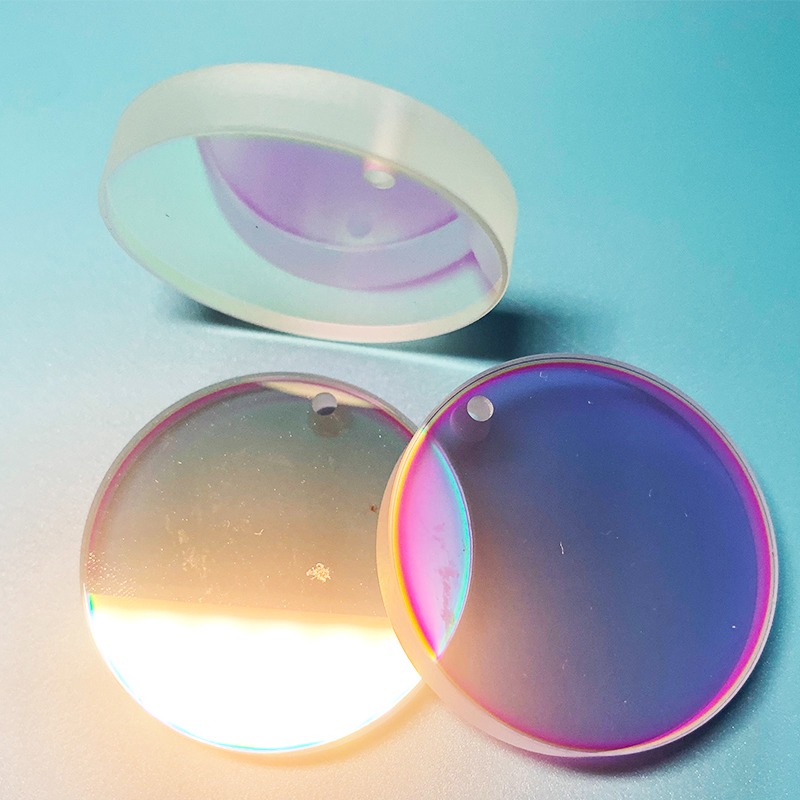
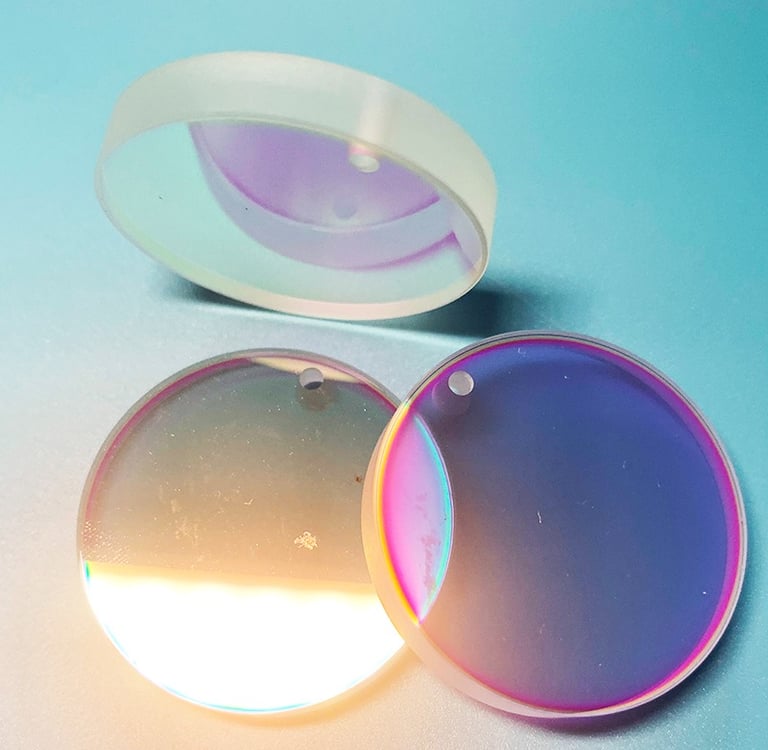
In contrast, dielectric mirrors, also known as thin-film mirrors, utilize multiple layers of dielectric materials. These coatings are engineered to achieve ultra-high reflectivity with minimal absorption. Such mirrors are designed for specific wavelengths, making them considerably effective in applications requiring precise reflectivity.
Dielectric coatings can reach reflectivity levels of over 99% within a very narrow spectral band. This high reflectivity combined with low absorption makes dielectric mirrors an excellent choice for laser applications, where maintaining high power is essential. Additionally, their design can be tailored to specific wavelengths, enabling customized solutions for scientific and industrial uses, such as telecommunications and laser-based systems.
Choosing the Right Type of Mirror for Your Needs
The choice between metallic and dielectric mirrors primarily depends on the specific application's requirements. If broad wavelength coverage and versatility are key, metallic mirrors may be the better option. On the other hand, if ultra-high reflectivity and minimal light loss are required, especially in applications involving lasers, dielectric mirrors are likely the superior selection.
In conclusion, understanding the differences between metallic and dielectric mirrors is essential for optimizing optical performance. Each mirror type offers unique benefits that cater to different needs. By assessing the particular demands of your application, you can make informed decisions that ensure the best results in optical systems.
Any interest, please knock info@pooptics.com